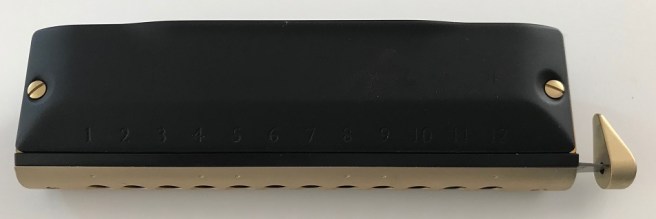
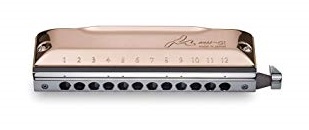
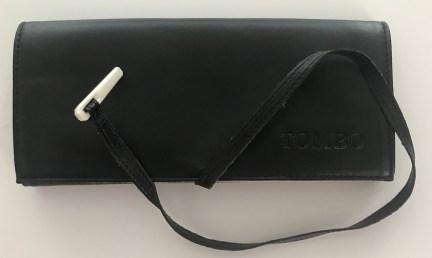
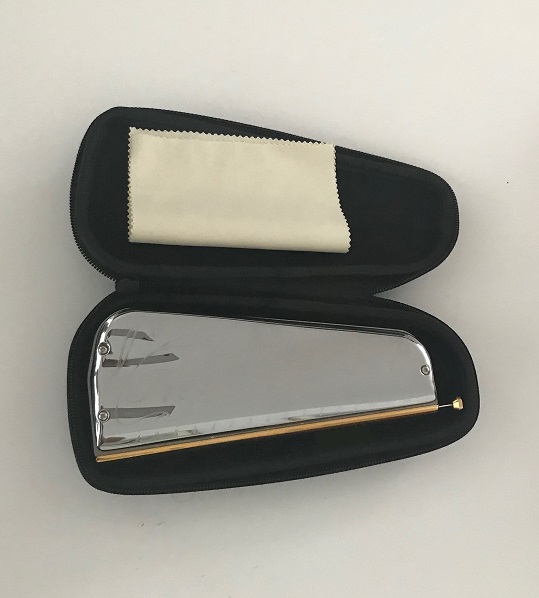
Tombo Mu-01 (µ-01) chromatic, from my collectionMu-01 PG (µ-01 PG) with pink gold coating coversTombo soft leather case
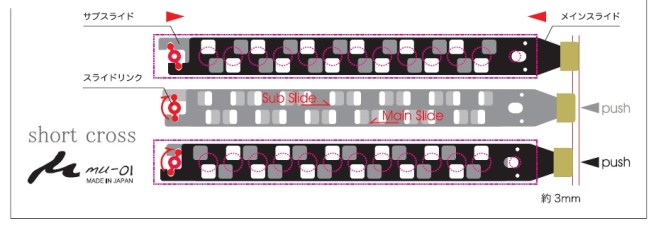
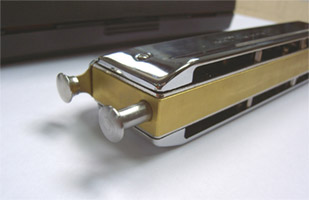
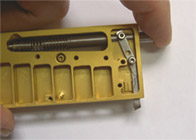
The novelty of those instruments is a new slide mechanism Tombo called “new Short-Cross-Key function”. As Tombo describes, it is as a revolutionary, newly designed slide for quick and effortless movement. As you press the slide the holes close from both sides. In addition there are 2 springs to keep it balanced:
New short cross slider illustration from TomboNew short cross slider in action, including the two spring system
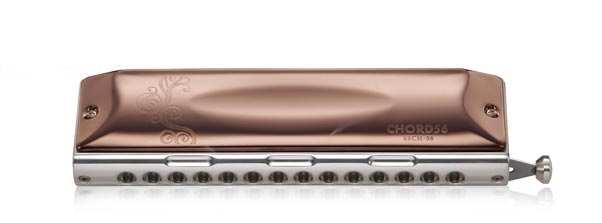
The Suzuki SSCH-56 chord harmonica was introduced at SPAH St. Louis, Missouri in 2013.
The unique feature of the harmonica is that it can play all 12 major and minor chords, as well as augmented and diminished chords. It’s 56-reed, 14-hole harmonica with just one slide.
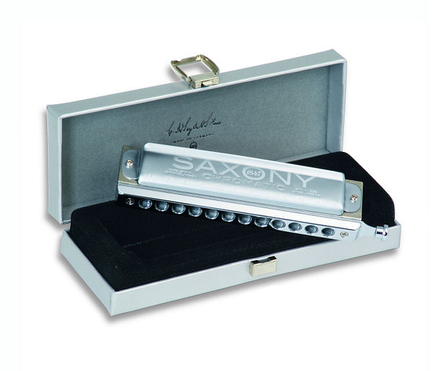
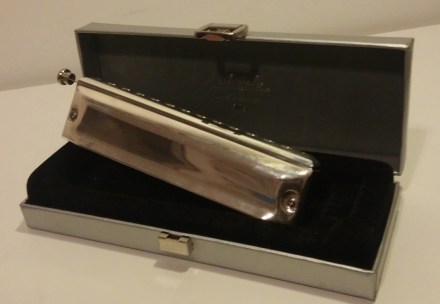
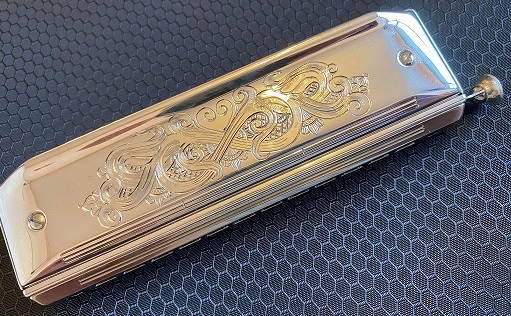
Seydel’s Saxony harmonica was the first commercial non-customized chromatic harmonica with stainless steel reeds. It was introduced at the beginning of 2009 at the music fair in Frankfurt. It was also the first 3 octave chromatic with an aluminum comb.
Seydel Saxony chromaticSeydel Saxony with custom silver cover plates by Arnd Hoffman (Ergo Harmonica) , from my collection
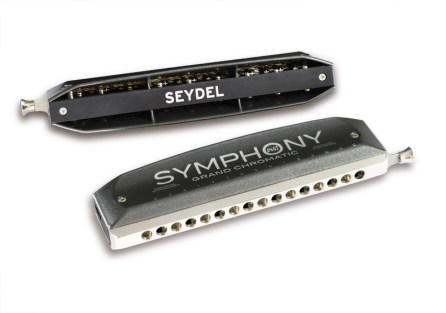
In 2017, 9 years after the Saxony, Seydel introduced a 4 octave instrument with stainless steel reeds and aluminum comb called Symphony Grand chromatic.
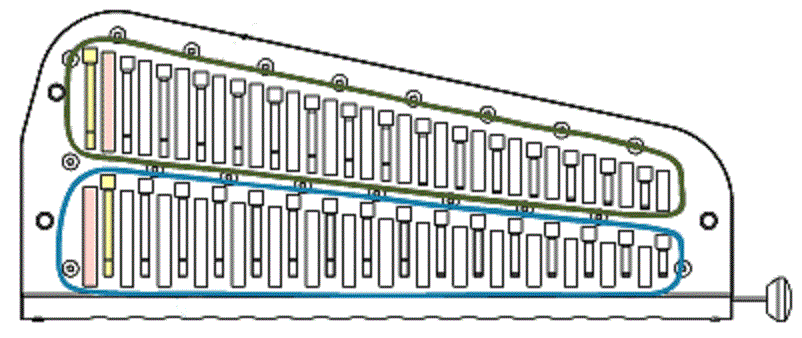
Around 2004, Suzuki came out with its unique SCT-128, 16 channels, 128 reeds tremolo chromatic. The patent #DE 20 2004 004 616 U1 was granted the same year It is the only double-reed chromatic harmonica commercially available. The main reeds are tuned to around A=444/445, with the secondary reeds tuned a fraction lower, giving it the characteristic tremolo effect.
Suzuki SCT-128 tremolo chromatic with leather holsterThe SCT-128 came with two sets of reed-plates.This makes it possible to play two reeds simultaneously.Suzuki SCT-128 tremolo chromatic, from my collection
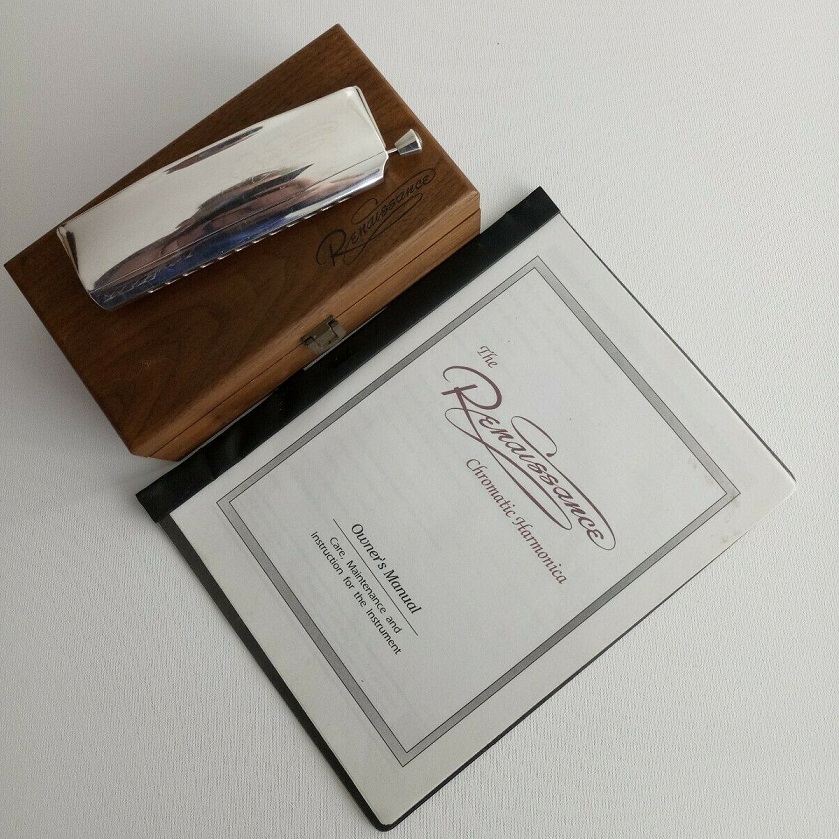
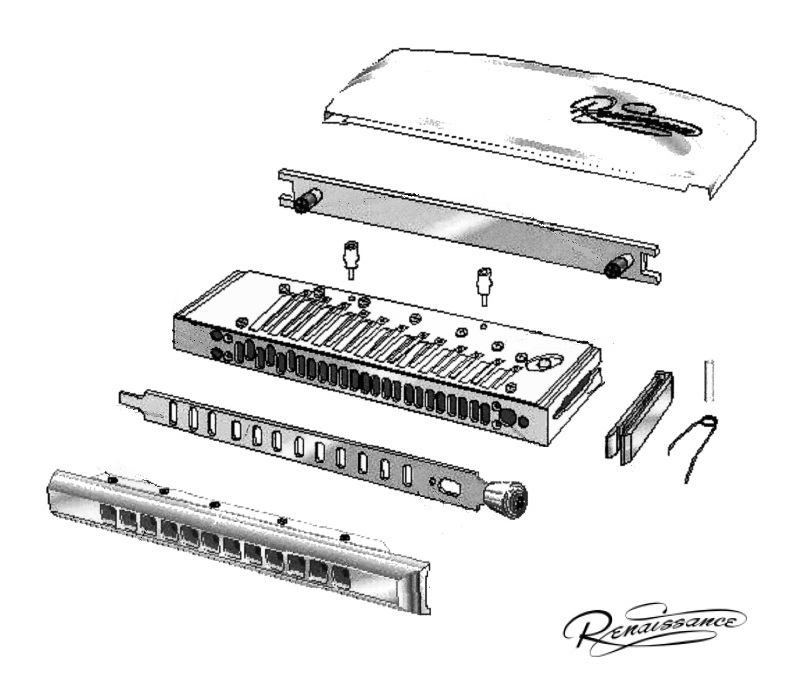
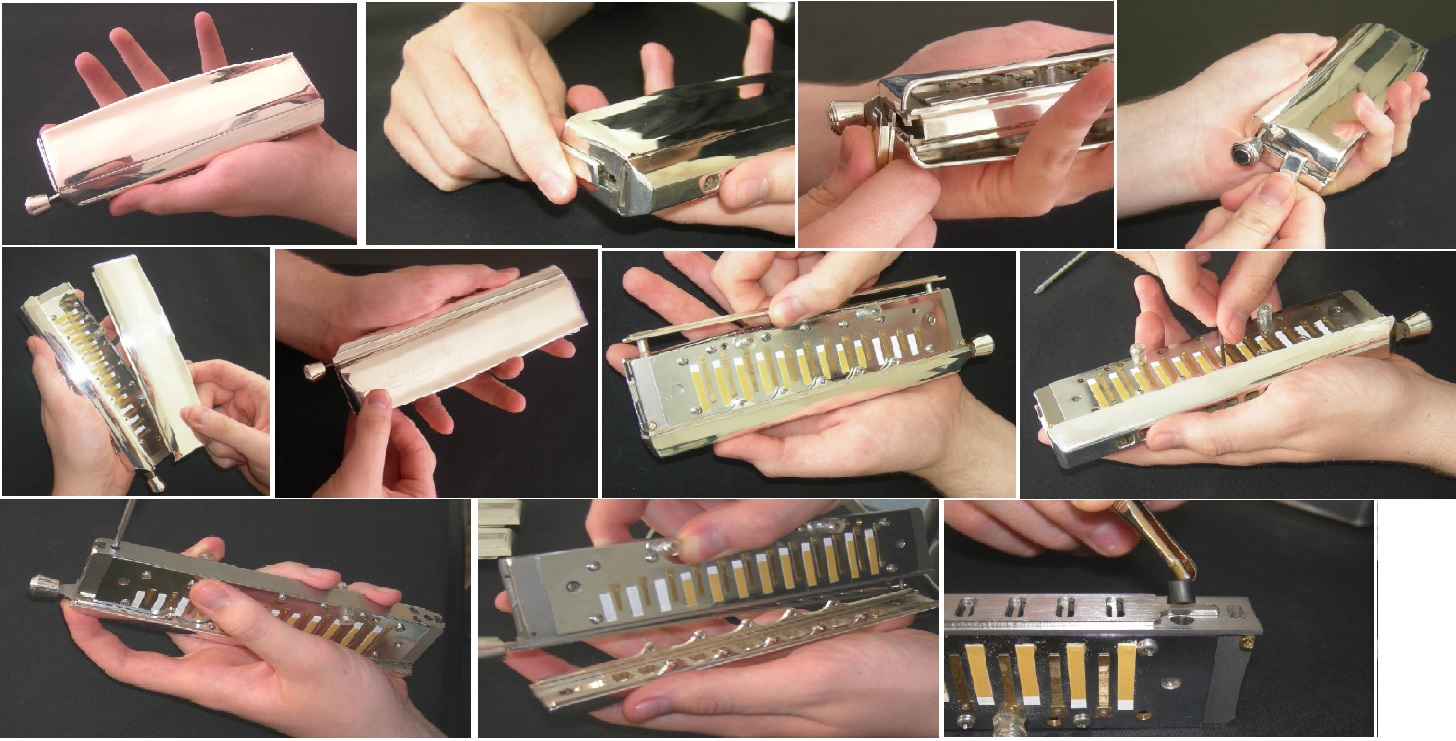
The unique and revolutionary feature of the Renaissance is the fact that it does not show any screws or screw holes on the exterior. The mouth piece is attached to the comb by long hidden screws situated at the backside of the harmonica. The covers are attached without any screws at all.
The Renaissance employed a revolutionary design, showing no visible screws
The main materials used were stainless steel for the comb and silver plated brass for cover plates and mouth piece.
Collage from the user manual showing how to disassemble the instrument
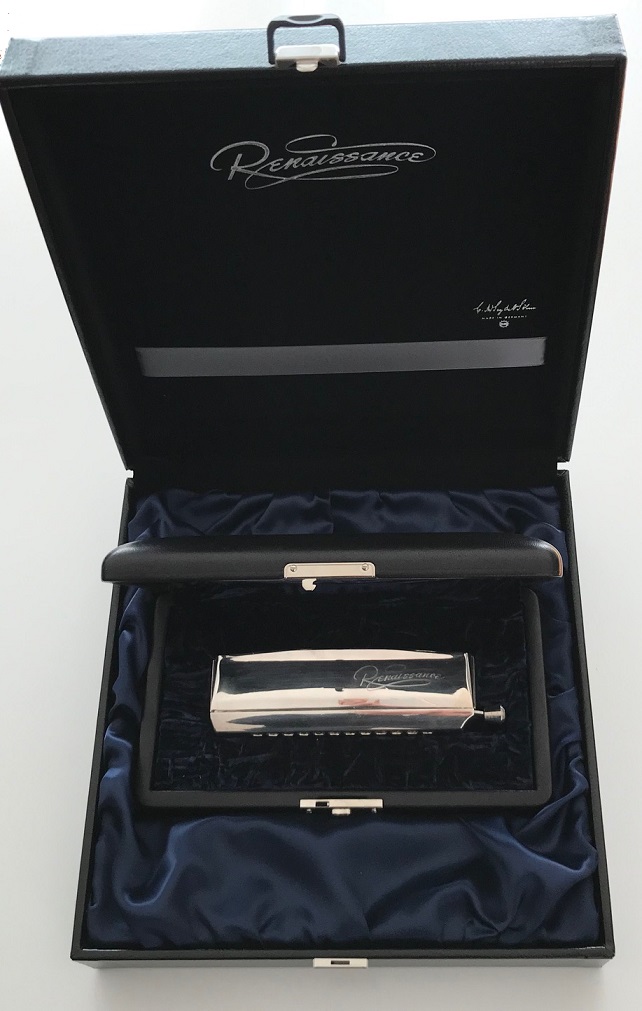
Seydel Renaissance with cases, from my collection
In 2015 Seydel stopped producing and selling the Renaissance.
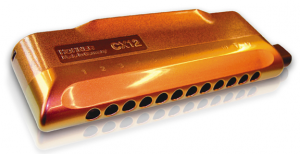
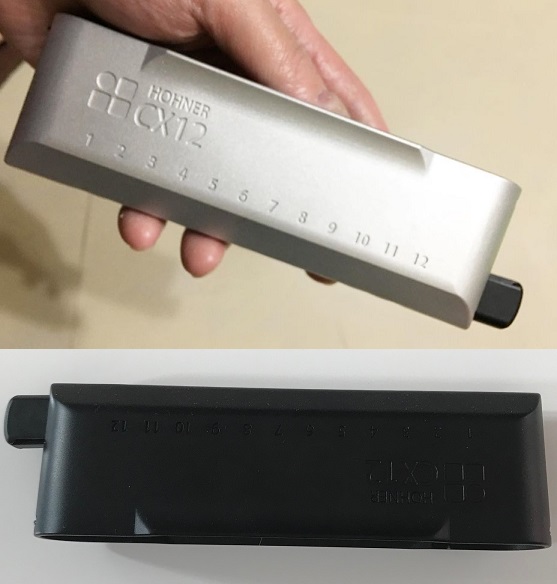
From the Hohner website: With its sleek good looks and the elegant simplicity of its construction, the CX 12 Black turned a lot of heads when it was introduced in 1992. It won the German Industry Design Award shortly afterwards. The patent# DE 41 29 817 C1 was granted in 1992 to Horst Jakubaschk, Wolf Linde and Gunter Weber. Besides the unique design, the cover consisting only of one piece, it was also the first time Hohner used an internal compression spring similar to the Koch chromatic from 1927.
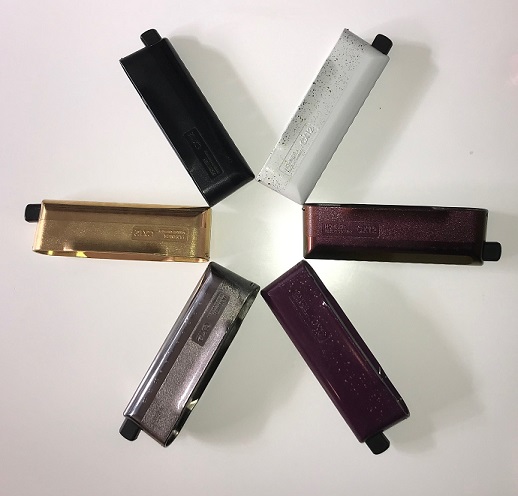
CX 12 harmonicas, from my collection
The CX 12 came initially in 5 different colors: black, gold, silver, ivory and maroon. Since 1998, only the black and gold colored ones were still sold by Hohner. In 2008 Hohner introduced the CX 12 Jazz with a new mouth piece design.
Hohner CX 12 Jazz
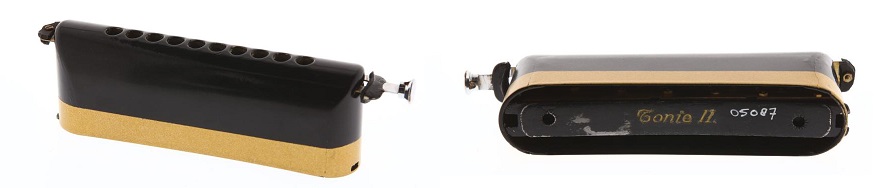
In 1996, Siegfried Naruhn, Germany, made what he called the CB-16. It’s a 16-hole version of the CX 12, with a brass cover. In 1999, he also designed and built a special CB10 Wholetone chromatic harmonica for the Dutch Jazz harmonica player Wim Dijkgraaf. It was called Toni II. Even though the instrument had only ten channels it had actually a range of more than 3 octaves.
Toni II, designed and customized by Siegfried Naruhn
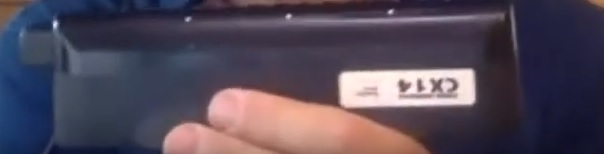
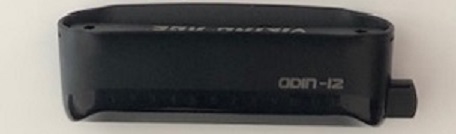
Brendan Power custom CX 14 (basically two CX12 cut and put together to extend the range by two channels). It is equipped with Suzuki 14 hole reed plates.A CX 16 prototype using Super 64 components (manufacturer unknown).Another custom CX 12 with Aluminum Alloy Case, (sold under the name COLA Harmonica).Odin-12, sold under the company name Viking Age
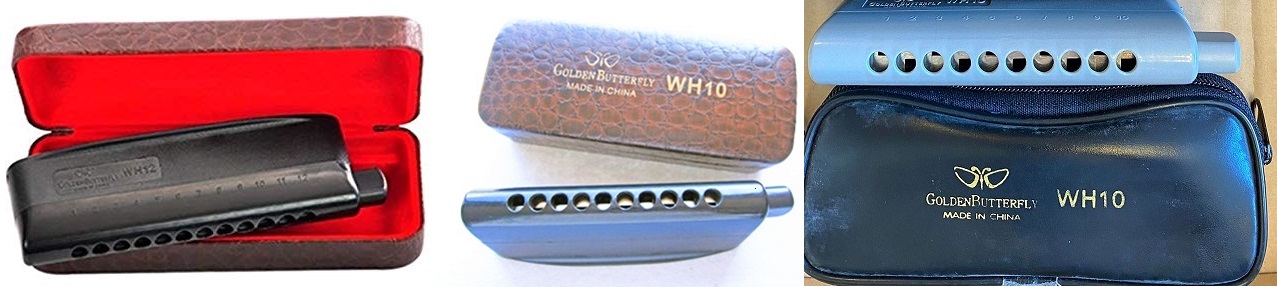
A Chinese website now offers copies of the CX 12 shell in new colors. Since about 2002 there is also a Chinese manufacturer (Wuxi-Suzuki) selling clones of the CX 12 as well as a 10 hole version (Golden Butterfly WH-12 and WH-10).
From left, Golden Butterfly WH-12 and WH-10 (black) are from my collection. The gray WH-10 seems to be a prototype
Virtuoso The “Virtuoso” was one of Bill Romel’s high end custom chromatic harmonicas. I was not able to trace back the earliest release date but it must have been in the mid 90s. The “Virtuoso” is a custom chromatic with a polished acrylic comb, custom cover plates, mouthpiece and slide designed to accommodate whatever reeds you prefer recessed into the comb itself. Bill Romel’s Harmonica Workshop produced also other custom instruments, such as the “Romello”. These other instruments were not quite as high-end. After Romel passed away in 2009 the production stopped.
Bill Romel’s flagship instrument “Virtuoso” (12 and 14 hole).
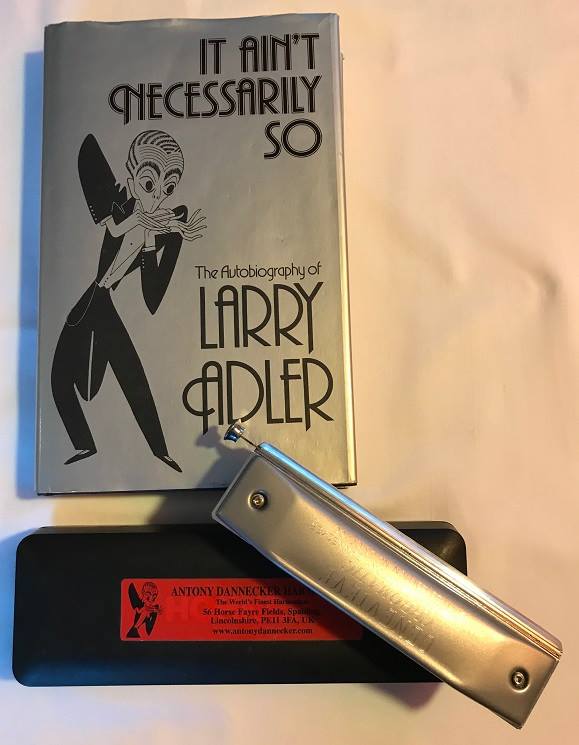
Genevieve In 2001 Antony Dannecker introduced the “Genevieve”. He manufactured only 100 of these instruments. The Genevieve harmonica was first made for the harmonica virtuoso Larry Adler. Antony Dannecker (and before his father, Willi Dannecker) was actually Larry’s harmonica repair man. The “Genevieve” (the name is based on the Oscar-winning composition by Adler) consists of a custom-made stainless steel body and cover plates.
Intro leaflet of the GenevieveGenevieve number 56, from my collection
Harmonica Art The Harmonica Art company was founded in 2002 by Hong Kong’s veteran harmonica players, Johnny Chan and Tommy Leung. In their research developing high-end chromatic harmonicas materials like silver, brass and ebony wood were used.
Harmonica Art Silver ChromaticThe company was also experimenting with combining different materials. The slider button had a unique shape. Carved out lines in the mouth piece reduce friction and stickiness of the slider (similar to the concept developed by Georg Pollestad)
NC 64 In 2008 the Austrian harmonica player Franz Chmel introduced after five years of development and testing the NC 64. The full specification of the instrument can be found on his website. The NC 64 was equipped with specially manufactured stainless steel reeds. Two models with either gold or silver plated covers were produced. It was one of the first high-end 4 octave chromatic harmonicas.
NC 64 came in two colors and steel reeds
Suzuki Fabulous At around the same time Suzuki came out with two high end chromatic harmonica models: a 12 and 16 hole silver coated brass comb instrument called “Fabulous“
Suzuki Fabulous 16 and 12 hole versions
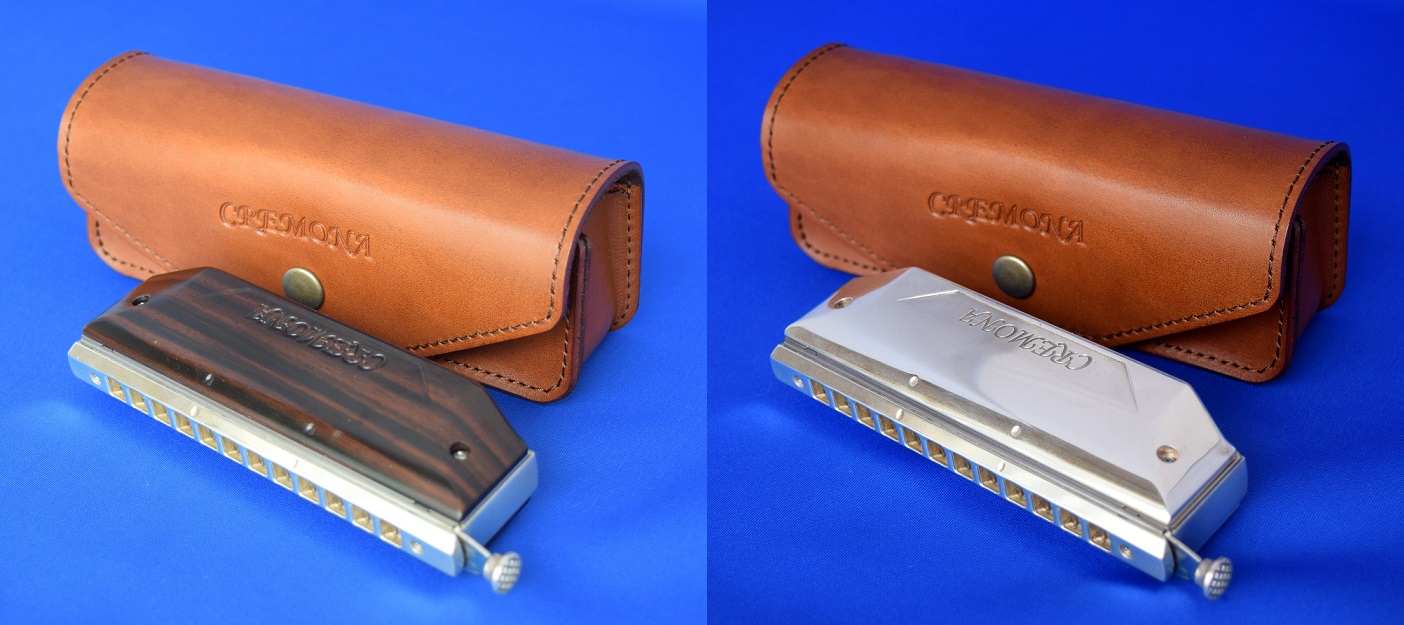
Cremona The next company to produce and sell high-end custom chromatic harmonicas comes from Japan. The company called Harmonica Workshop Cremona opened at the end of 2011. The owner, Naotaka Kishi produces not only 12 and 16 hole but also 14 hole custom instruments. Every instrument is either made out of ebony, silver or a combination of both.
Ebony and Silver 12 hole Cremona model
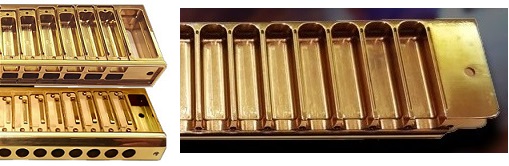
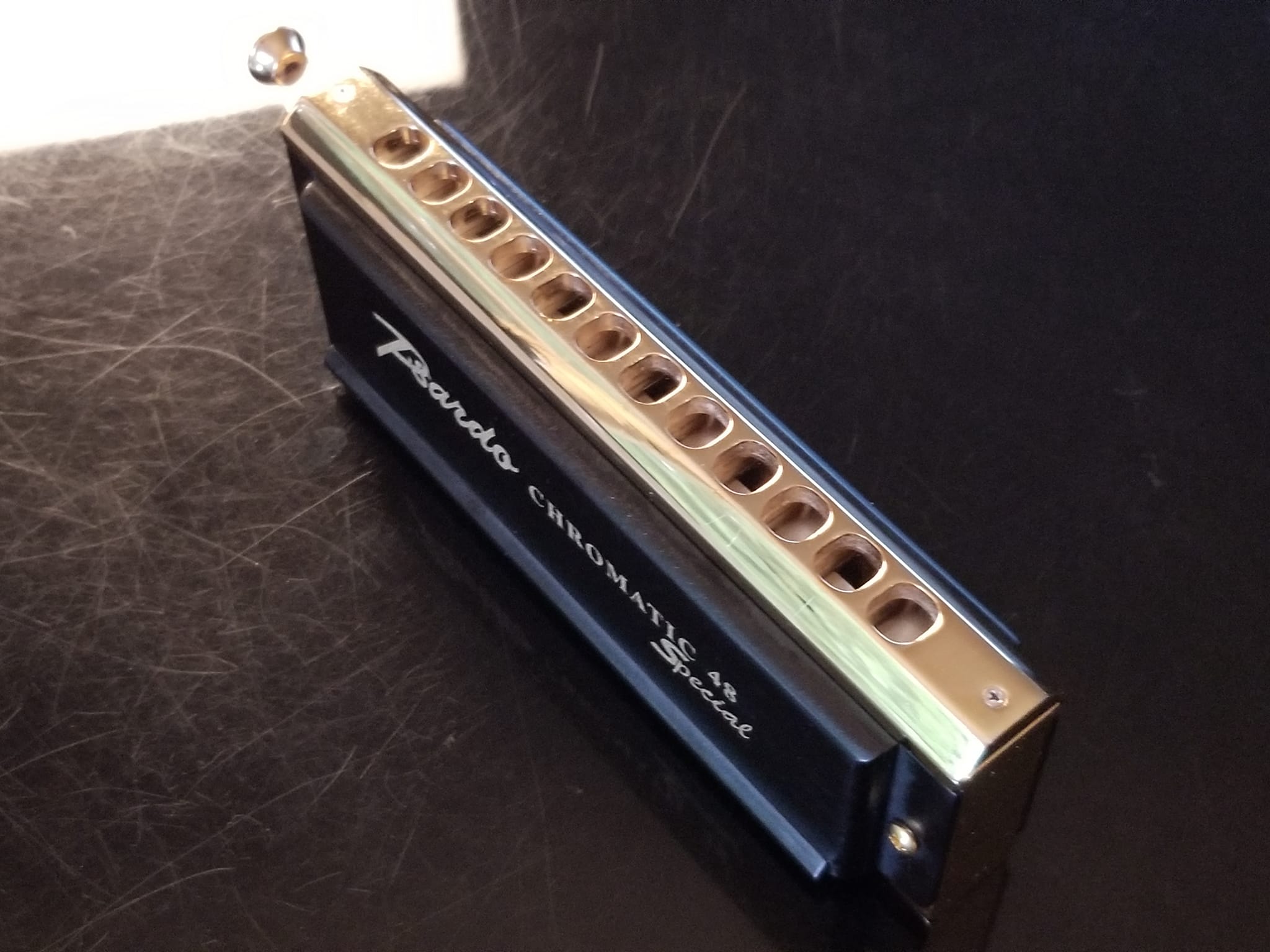
Psardo Another more recent company to produce high-end chromatic harmonicas is Philharmonicas. The company was founded by Phil Sardo in 2016. He produces a range of high- and medium-end 12 and 16 hole instruments. All come either with brass or aluminum combs. The special and unique feature of the “Psardo” harmonicas are the individual two-note reed plates set into precision pockets in the body of the comb and the tubular channel covers (similar to the molded in channels of the CBH 2012/2016 covers).
Psardo 16 hole “Gold Bar” with gold plated brass combThe “Psardo” harmonicas come with individual two-note replaceable reed plates (left) and tubular channel covers (right).Newest “Psardo” model with aluminum comb
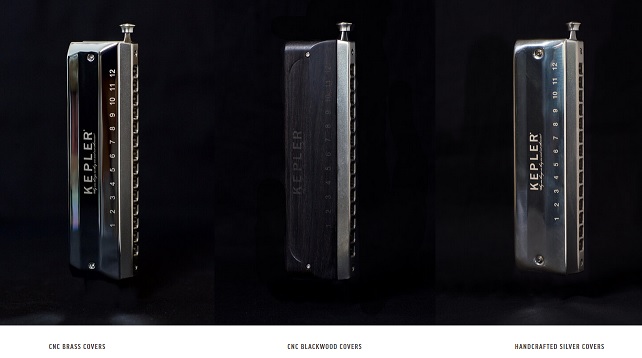
Kepler The new kid on the blog is the Hong Kong based company “Kepler“. They are currently specializing in 14 hole chromatic harmonicas only. Their interesting concept is to offer different configuration options.
The standard configuration comes with a CNC Brass Covers and a Stainless Steel Comb. Upgrade options are: Titanium Comb, CNC black wood or silver cover plates and Power-Type Titanium mouthpiece.
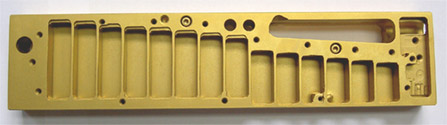
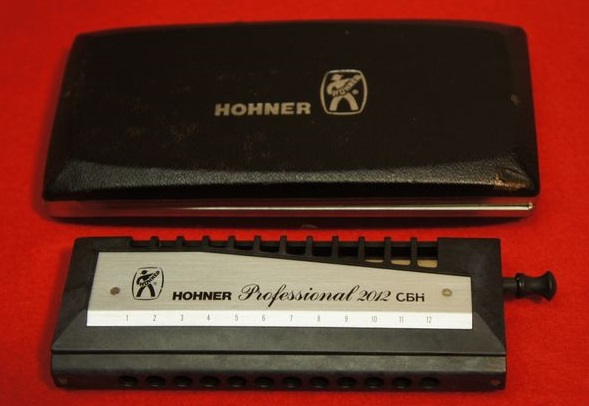
The Hohner’s “Meisterklasse” chromatic was introduced around 1982. It was the first high-end harmonica with 14 holes and an anodized aluminum comb. An additional feature were its full-length cover plates, which extend all the way to the ends of the harmonica’s comb rather than sharply angling down before the ends to form an adjoining surface parallel to the reed-plates and comb. From it’s introduction to circa 1990, Hohner received customer complaints about powdery residue originating from unplated brass reed plates contacting the aluminum comb. The production was stopped. A re-issued version came out about 3 year later (date not confirmed). Additional versions with slight improvements were released thereafter.
Hohner Meisterklasse first generation, from my collectionNext generation Meisterklasse chromatic with a new ABS case
I found this interesting website showing a custom Titanium comb for the Hohner Meisterklasse:
An interesting feature is the additional slide button at the lower part, similar to the CBH 2012/2016.
The first time I heard about the Polle Concert harmonica was when I talked to Tommy Reilly after a concert in Munich, Germany in 1990. I knew about the custom made silver instrument manufactured by a silver smith in England. When I ask him about his famous silver harmonica he explained to me that his current concert instrument was a much better model made in Norway by someone named Georg Pollestad. Throughout the years I got to know more about the “Rolls-Royce” of concert harmonicas. I was curious to find out more about this unique instrument. In 2021 I was finally able to find the time to visit Mr. Pollestad in his home town in Stavanger, Norway. It was a wonderful experience. Mr. Pollestad is such a pleasant person to be around. He was so kind to pick me up from the airport and took me on a small tour showing me the surroundings. Throughout my 4 days stay I was also lucky that the weather was extraordinarily nice with lots of sunshine.
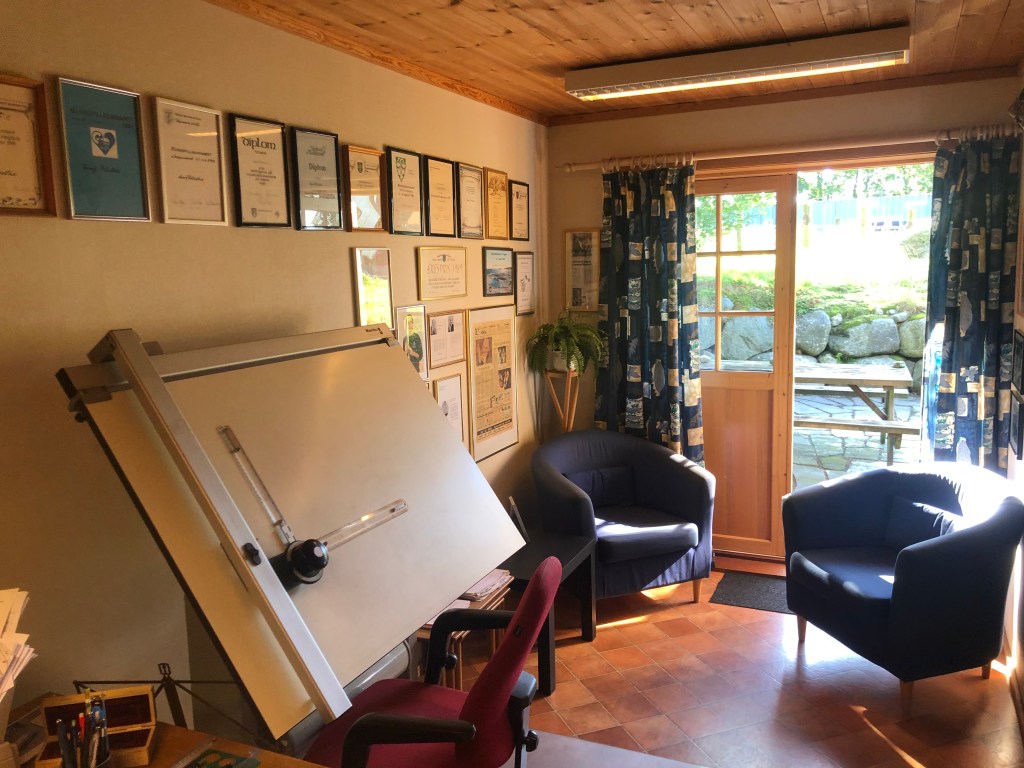
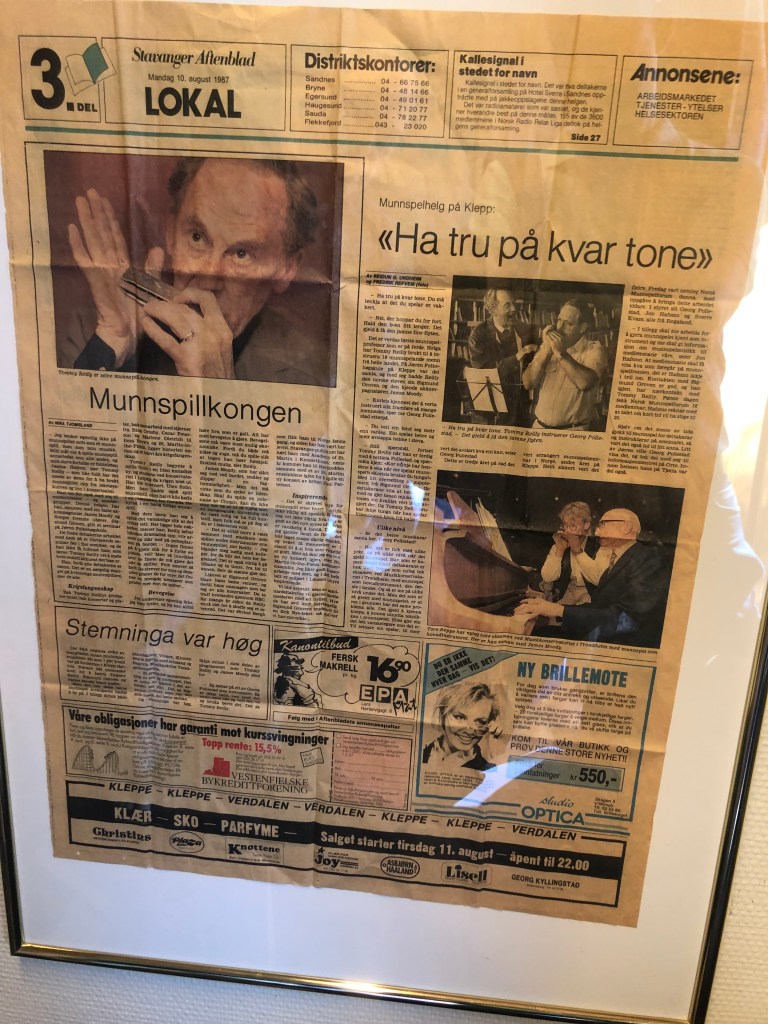
The next day I had the chance to talk to him about his famous harmonica. He showed me his workshop located in the basement of his house. When I entered I saw all these newspaper articles and diplomas posted at the entrance. It gave me quite a first impression.
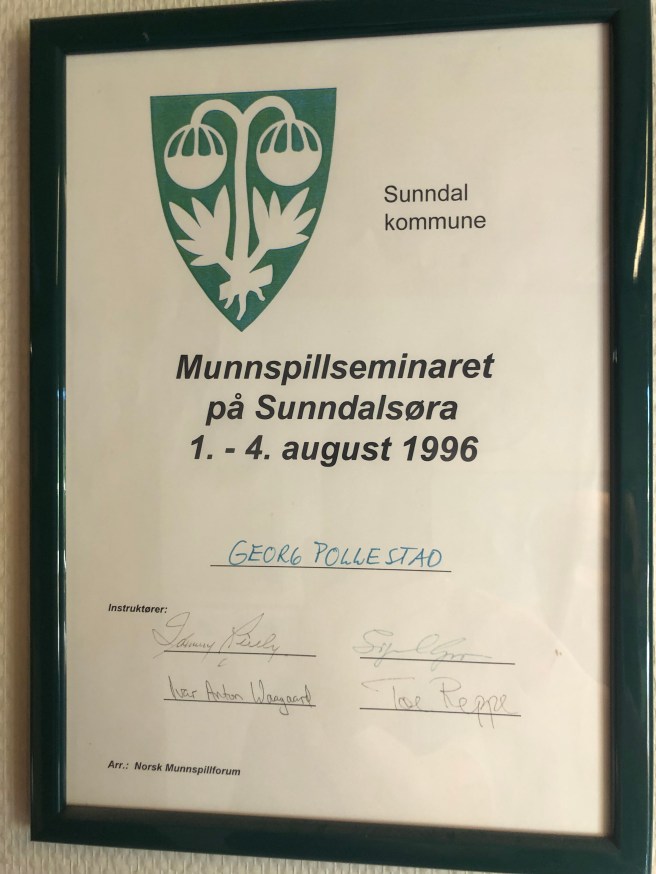
View of the entranceNewspaper article showing Tommy Reilly and Mr. PollestadDiploma for the Harmonica Seminar
Before we actually went into his workshop we set down and started an interesting conversation about the beginnings of the Polle harmonica. With the permission of Mr. Pollestad I taped some of the conversation.
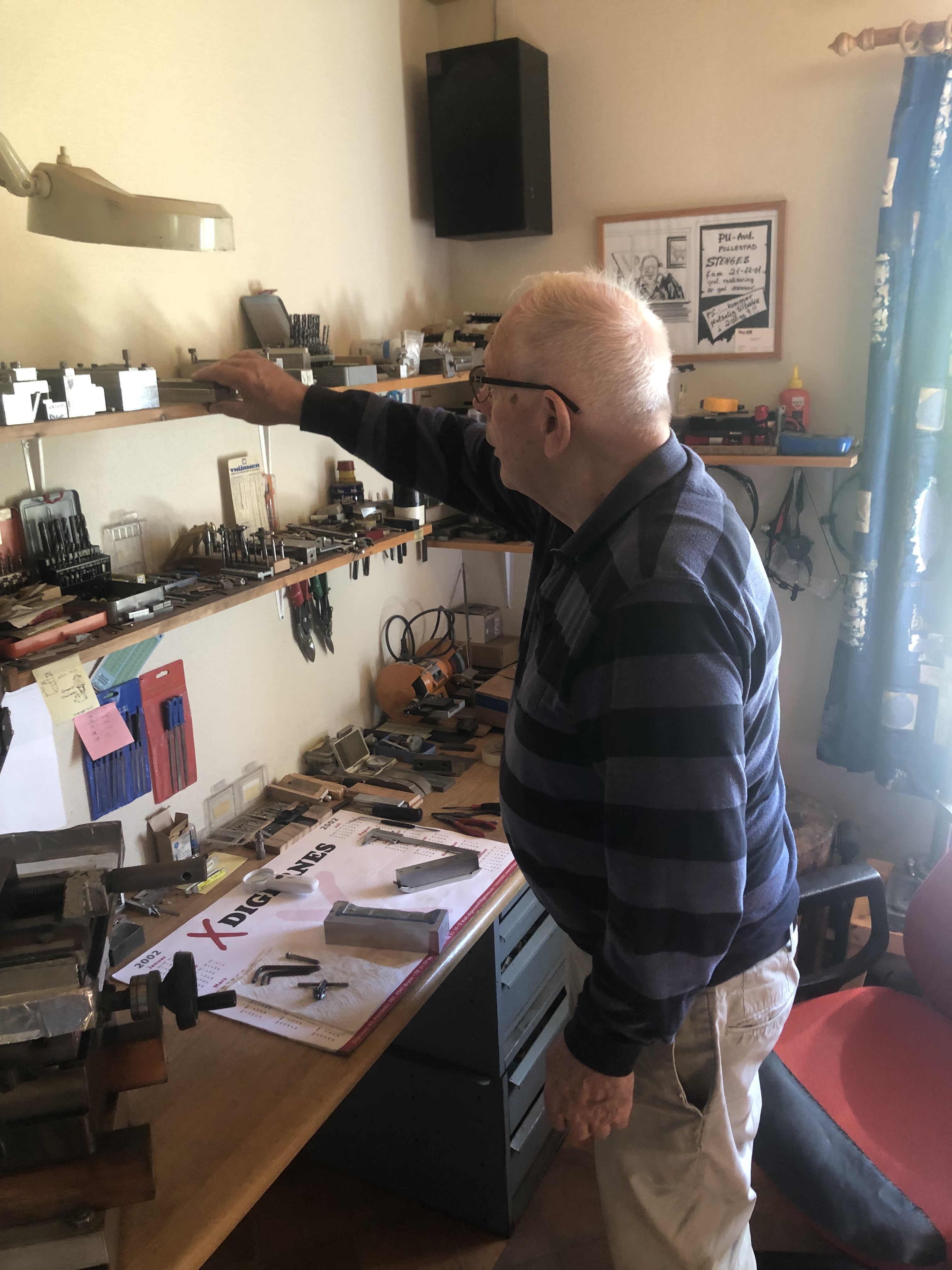
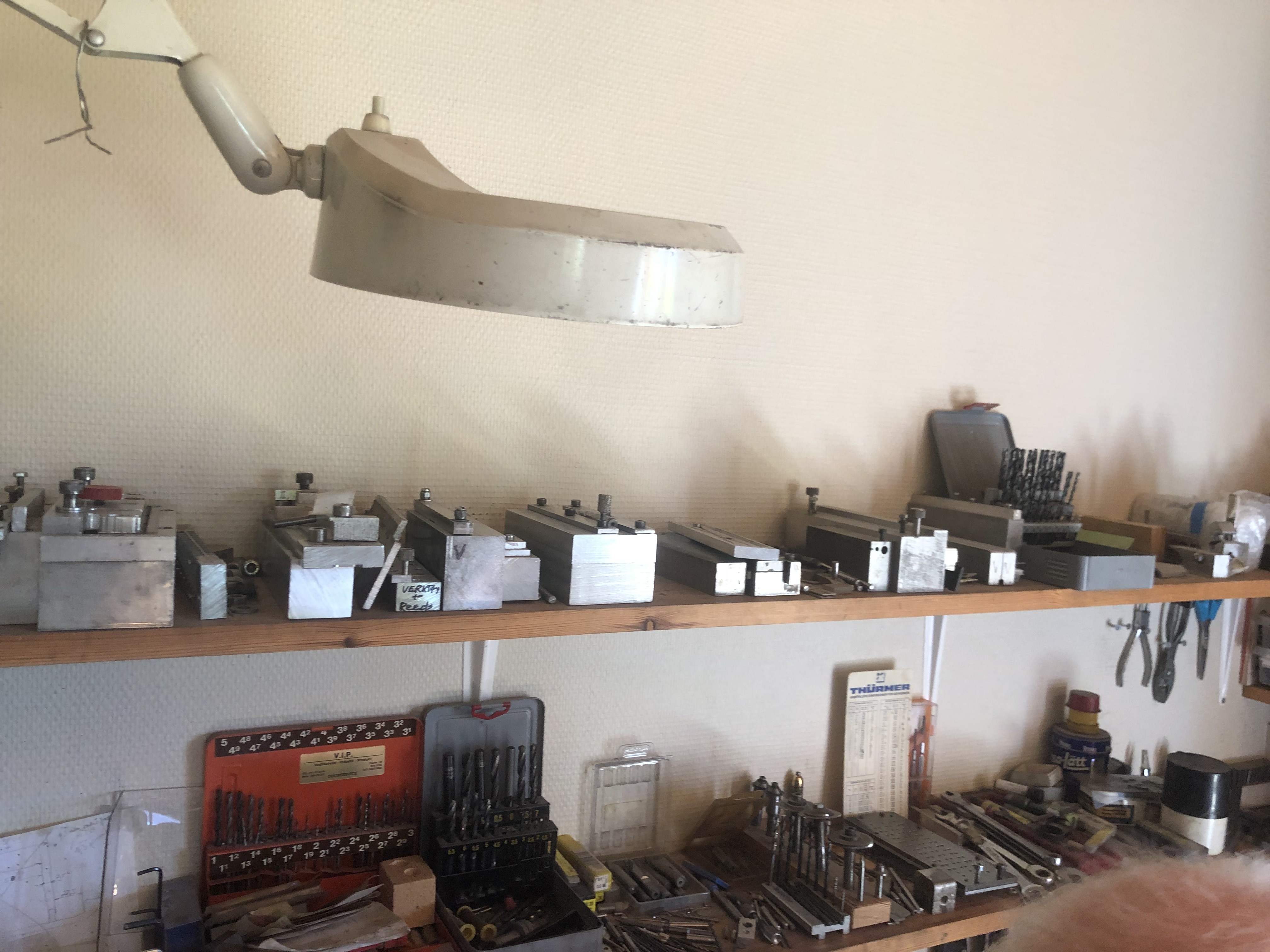
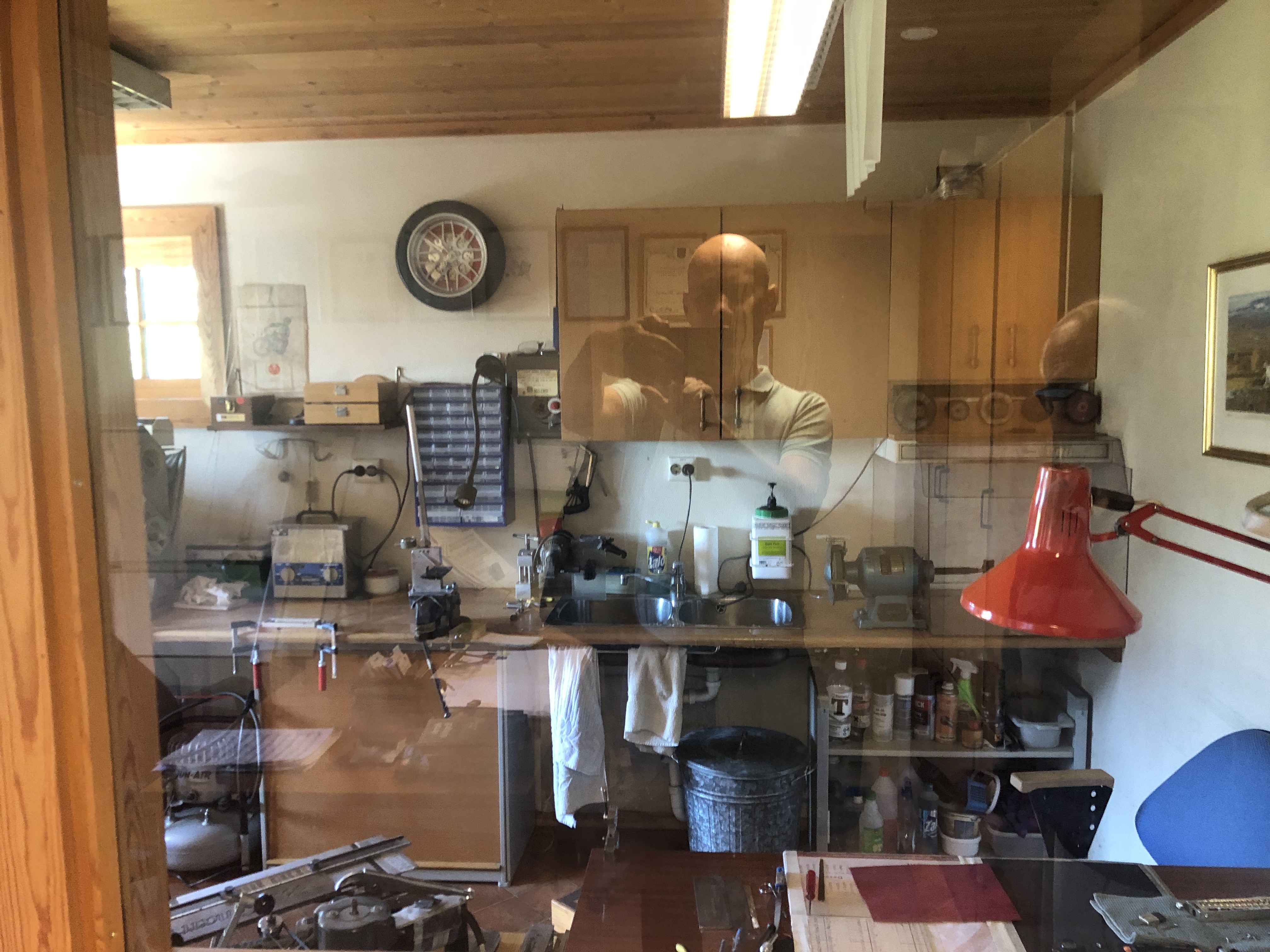
After my initial interview with him we went to see his workshop where he showed me all his tools and machinery.
Mr. Pollestad in his workshop
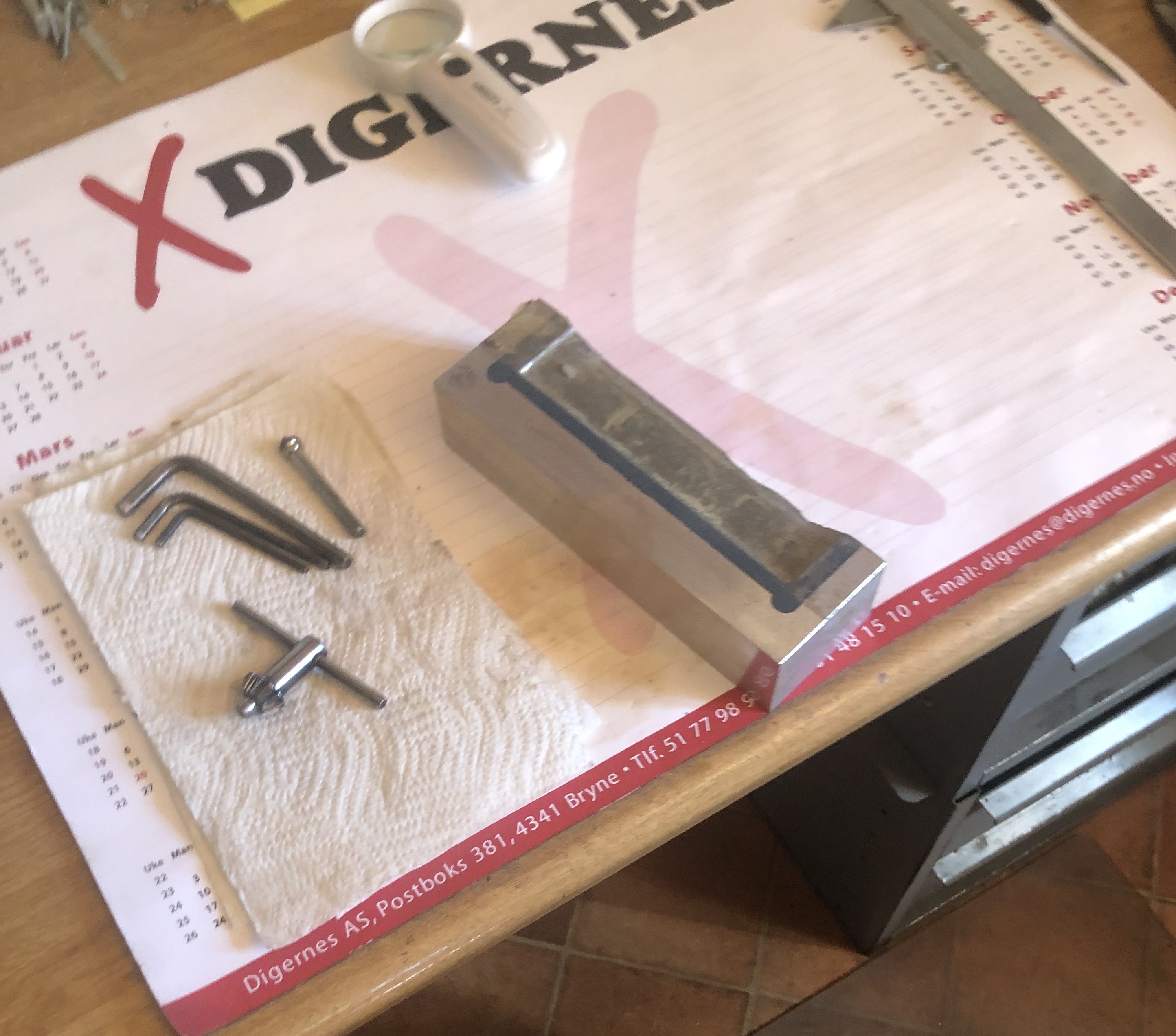
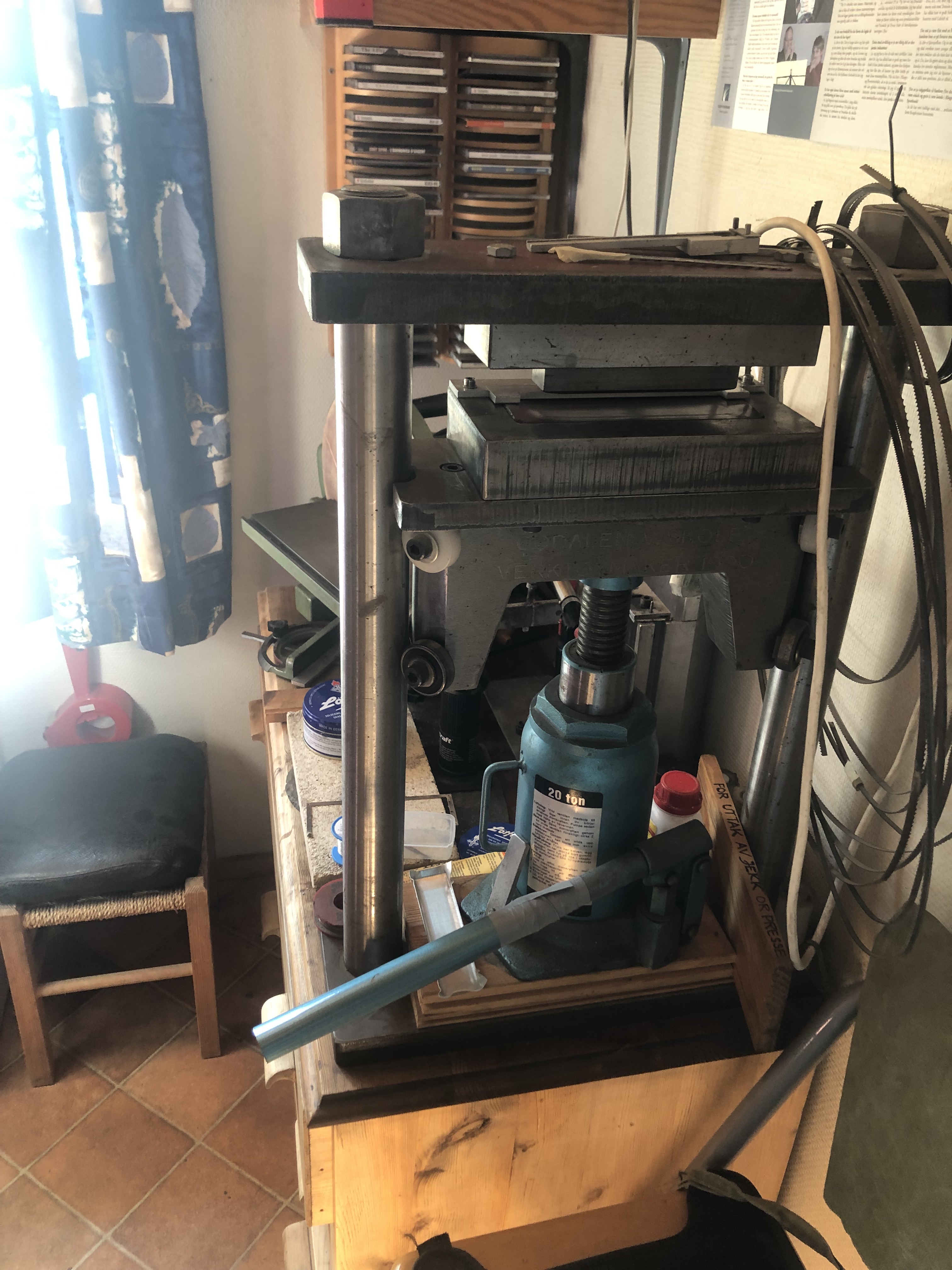
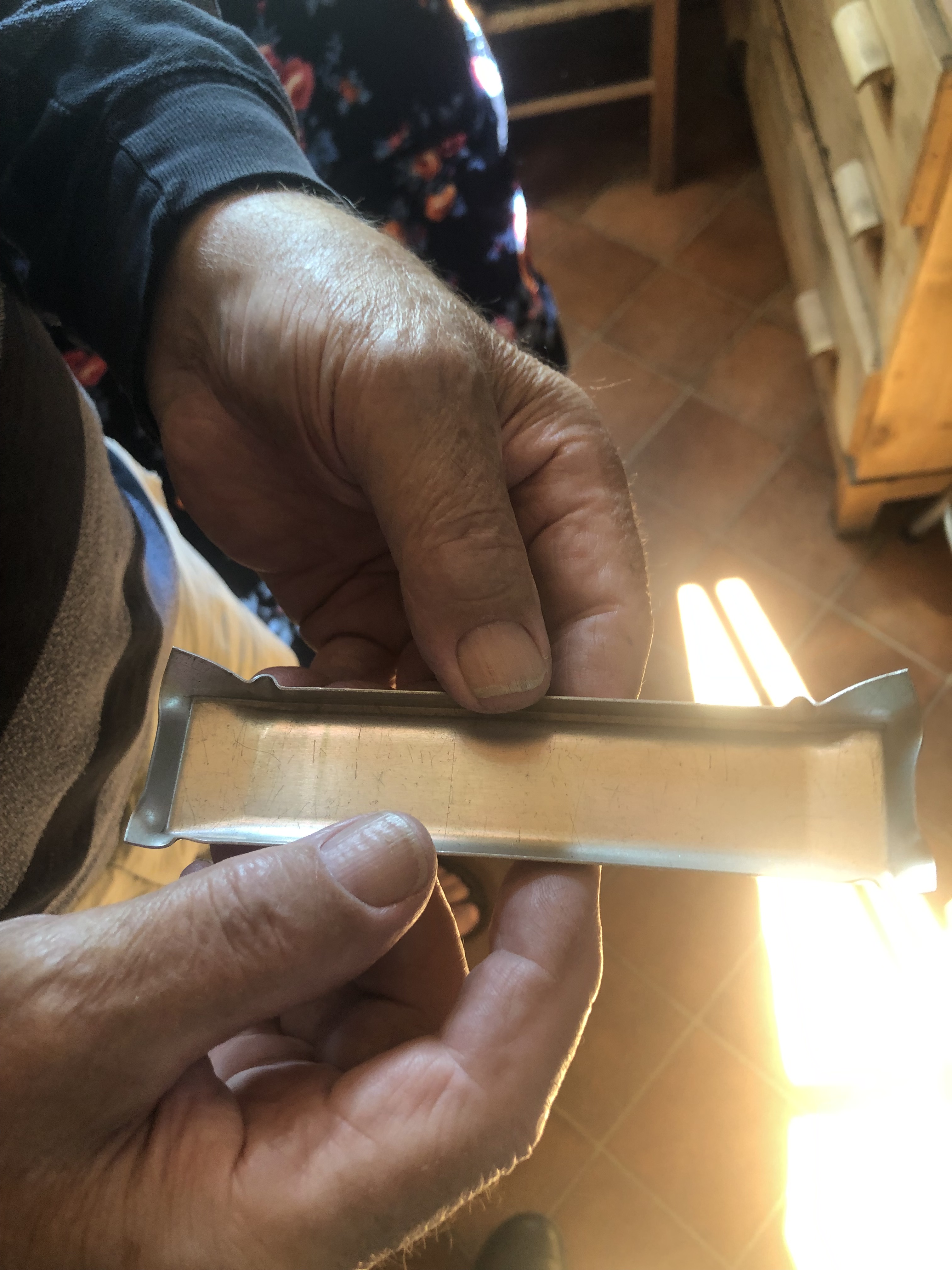
I ask him questions about the process of creating the cover plates. This is all a manual process.
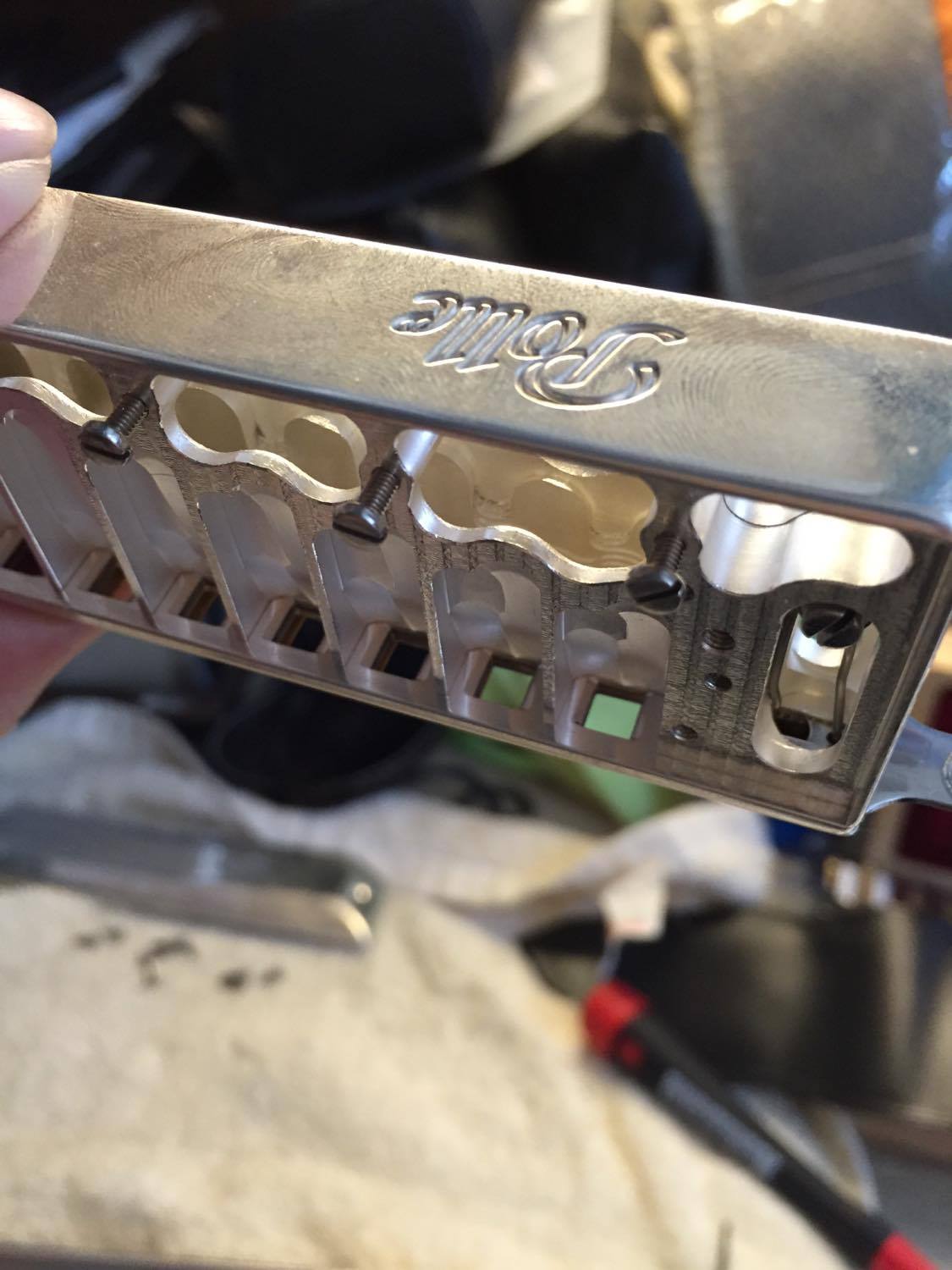
What makes the Polle concert harmonica so special is the fact that even though the harmonica body consist of pure silver it is relatively light, only 214 gram! The trick Mr. Pollestad explained, was to cut the silver block into two pieces, hollow out all excess silver and then screw the to halves together. Quite an ingenious idea that works very well. Here in his own words…
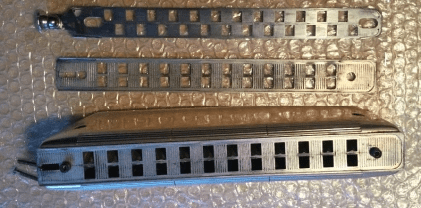
Polle chromatic showing the hollowed out silver body in order to reduce weight
There are so many more interesting and ingenious ideas Mr. Pollestad integrated into this amazing harmonica it is difficult where to start. In Tommy Reilly’s own words: the slider and its easy movement is nothing short of a “work of art”.
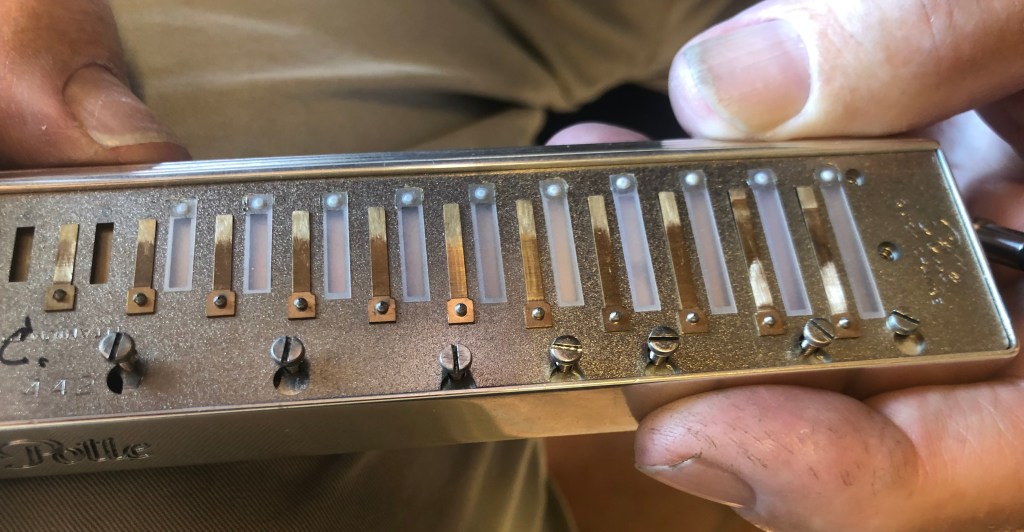
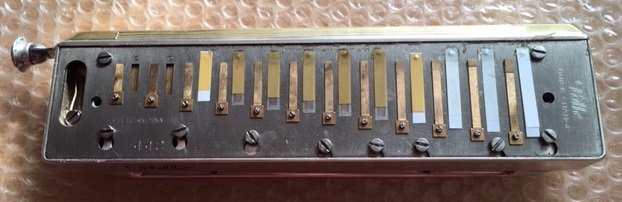
Unique Polle slide system with minimal contact pointsPolle quick change reed plate removal system. Only two screws need to be completely removed to detach the reed plate
Polle quick change reed plate removal system (courtesy Owen Ho)
Harmonica side view showing the two-piece body and the small LCD thermometer displaying the current temperature of the instrument
In 2009 Mr. Pollestad started to explore using Titanium as an alternative to silver. This would bring down the weight even more significantly:
Recently, Georg Pollestad began also to manufacture his own line of titanium reed plates. Using titanium decreases the tolerance between the reeds and reed plate and therefore increasing the reed response.
Polle titanium reed plates
Of course I was very curious to find out how long it would actually take to build one complete instrument. Mr. Polle answered this questions with the following words:
Gallerie
From top: one of the first Polle concert instruments, Titanium Polle, Modern Polle with engravings, Modern Polle with deep engravings (courtesy Rocky Lok)
Until today, the Polle concert chromatic is considered the Rolls-Royce of all concert harmonicas. Additional info can be found on polle.no.
Last Words
I can’t thank Mr. Polle (and his wife Berit) enough for their generous hospitality. The few days I spent in Stavanger will be forever nice memories. Especially the trip we made to the beautiful island of Flor og Fjære will always amaze me.
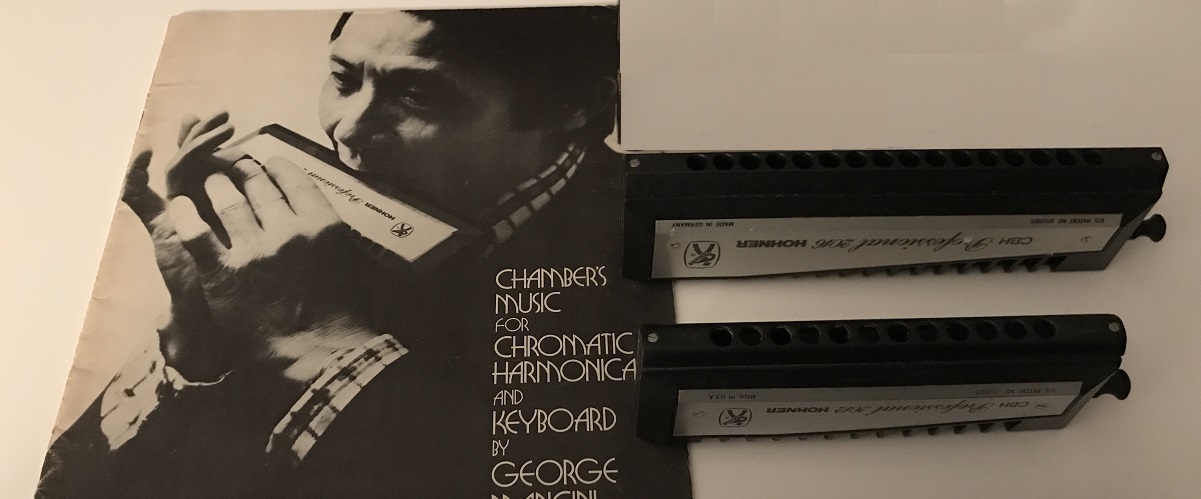
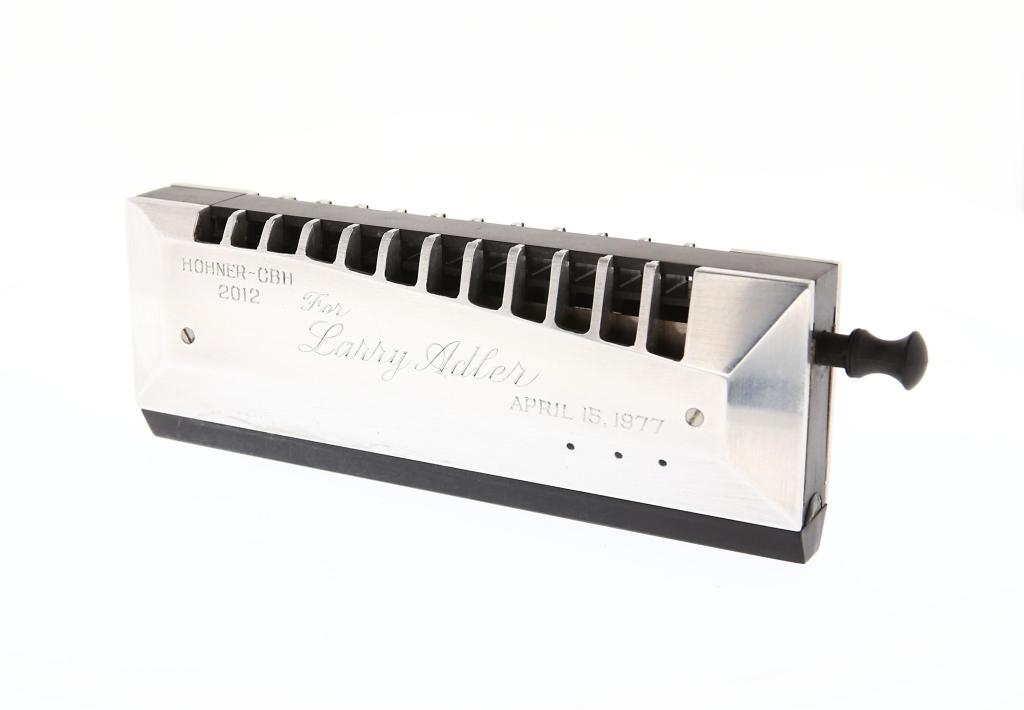
In 1973, while still working for Hohner, Cham Ber Huang was granted patent #2260752. The patent described a revolutionary new harmonica concept. The complete history can be read on Cham Ber’s website. The CBH 2012 and 2016 (12 and 16 channel models) came with the slide button positioned at the lower part of the harmonica, contrary to all Hohner standard chromatics at that time. The CBH was mostly made out of a specific kind of resin even mixing in Teflon to improve resistance to abrasion and wear.
CBH 2012 from Hohner
CBH 2012 and 2016, from my collection
There is a video of Cham Ber talking about his manually build CBH 2012 made out of solid silver. The instrument weights a massive 45 ounces (1275 grams)!
CBH 2012 silver version (sterling silver covers ,body and mouth piece)
CBH harmonicas were discontinued after a patent court trial between Hohner and Mr. Huang. The patent went to Mr. Huang, and the CBH models were not made after 1983.



 Bill Romel’s flagship instrument “Virtuoso” (12 and 14 hole).















 Chromatic Harmonica History